
THE SCIENCE BEHIND HYPERBARIC OXYGEN
More Pressure. More Oxygen. Deeper Delivery.
Understanding how pressure and oxygen work together is the key to understanding hyperbaric oxygen therapy. Explore the science behind 2.0 ATA and how increased pressure changes the way oxygen is delivered throughout the body.
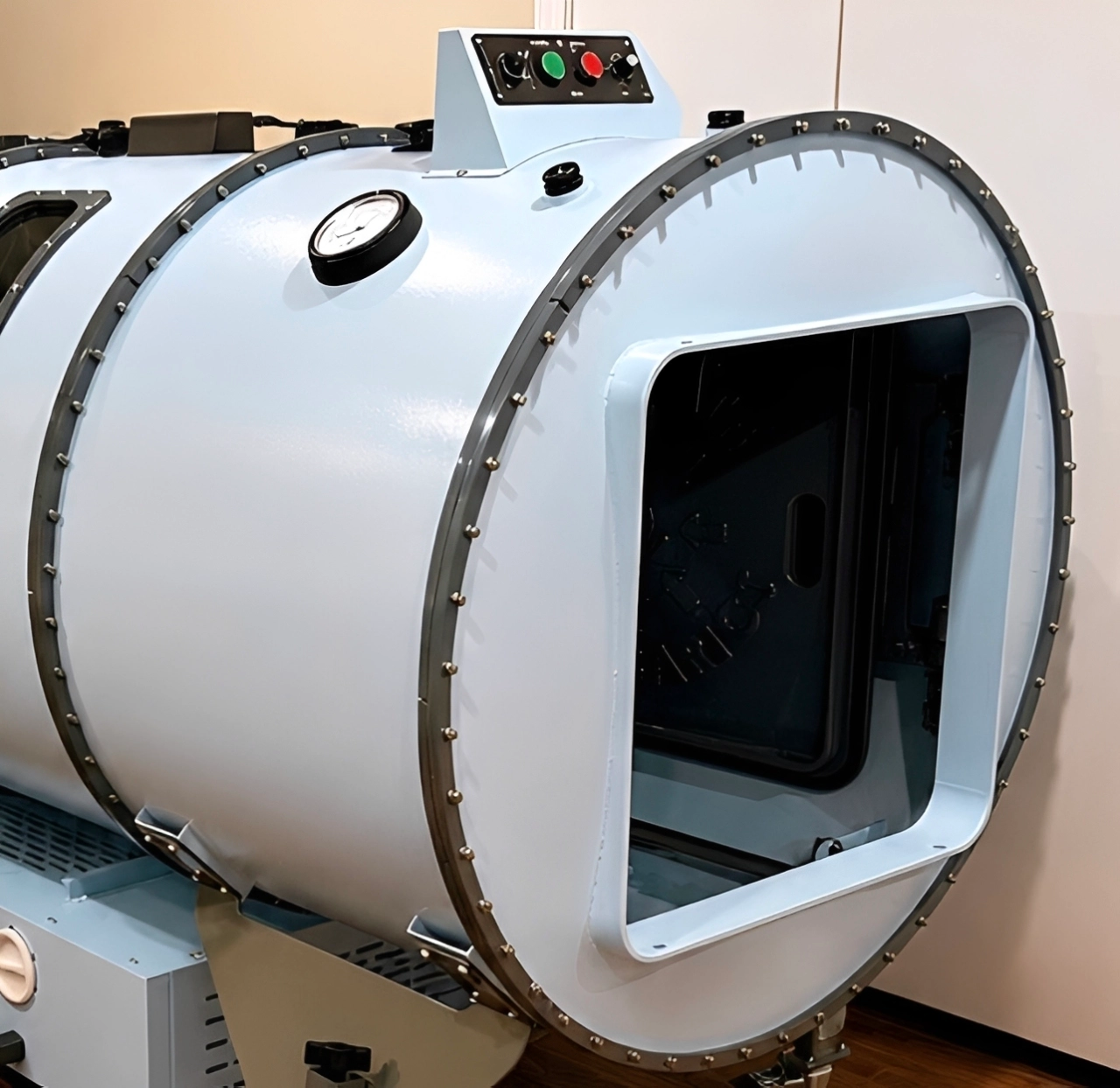
Why Pressure Makes the Difference
At normal atmospheric pressure, most oxygen in the bloodstream is carried by hemoglobin inside red blood cells. Increasing pressure changes how much oxygen can dissolve directly into the blood plasma.
At 2.0 ATA, significantly more oxygen can dissolve into plasma. This creates another pathway for oxygen to travel through the body's circulatory system and reach tissues.
More pressure. More dissolved oxygen. More oxygen delivery.

1.3 ATA
Mild Pressure
A modest increase in pressure compared with sea
1.5 ATA
Therapeutic Pressure
Greater pressure allows more oxygen to dissolve into plasma.
2.0 ATA
Full Pressure
American Hyperbaric chambers are engineered for 2.0 ATA, providing the pressure level highlighted throughout the Buyer's Guide.
One Body. One Vascular System. One Pathway for Oxygen.
Hyperbaric oxygen therapy isn't localized to one part of the body. It works through your existing circulatory system—the same vascular network that delivers oxygen and nutrients throughout your body.
When you breathe concentrated oxygen inside a pressurized chamber:

Oxygen Enters the Lungs
You breathe concentrated oxygen into your lungs.

Pressure Dissolves More Oxygen
Increased pressure allows more oxygen to dissolve directly into the blood plasma.

The Circulatory System Transports Oxygen
Oxygen-rich blood travels through arteries, smaller vessels, and capillaries.

Oxygen Reaches the Tissues
Dissolved oxygen in plasma can travel beyond the areas reached primarily by red blood cells.

Your Body Uses the Oxygen
Your body's physiology determines how oxygen is utilized throughout its systems.

Your Circulatory System Is the Oxygen Highway
The circulatory system connects your entire body. Hyperbaric oxygen therapy uses that existing network to deliver increased oxygen availability throughout the body rather than targeting one isolated organ.
Oxygen delivery supports systems throughout the body, including:
- Brain
- Eyes
- Heart
- Lungs
- Liver
- Kidneys
- Muscles
- Bones
- Tendons
- Ligaments
- Skin
- Connective tissue
- Hands and feet
Hyperbaric oxygen therapy is systemic—not localized.
Oxygen in the Blood: What Changes Under Pressure?
At normal pressure, oxygen is carried primarily by hemoglobin within red blood cells. A smaller amount is dissolved directly into plasma.
Under 2.0 ATA pressure, considerably more oxygen dissolves into the plasma.
That distinction matters because dissolved oxygen can travel through the bloodstream and reach areas where circulation may be reduced or compromised.
At Normal Pressure
Oxygen is carried primarily by red blood cells.
Under 2.0 ATA
More oxygen becomes dissolved directly into the blood plasma.
The Result
A greater amount of oxygen becomes available for transport throughout the body's vascular network.
Pressure + Oxygen = Improved Oxygen Delivery
Hyperbaric oxygen therapy combines two essential components: increased oxygen concentration and increased pressure.
Together, they create an environment where significantly more oxygen can dissolve into plasma and become available throughout the circulatory system.
The Process

Oxygen Enters the Lungs
You breathe concentrated oxygen.

Pressure Dissolves More Oxygen
2.0 ATA pressure increases the amount of oxygen dissolved in plasma.

Circulation Transports Oxygen
Oxygen-rich blood moves through arteries and capillaries.

Oxygen Reaches Tissues
Dissolved oxygen can reach areas where circulation may be reduced.

The Body Utilizes Oxygen
Cells use oxygen as part of normal physiological processes.
Why Oxygen Availability Matters
Every cell in the body depends on oxygen. The brain, heart, muscles, skin, joints, organs, and immune system all rely on oxygen to function.
When oxygen delivery is compromised, normal processes can be affected.
The Buyer's Guide identifies several potential effects associated with reduced oxygen availability:
Fatigue
Reduced energy and increased exhaustion.
Slower Healing
Injuries and surgical sites may take longer to recover.
Pain & Swelling
Inflammation can contribute to discomfort and limited movement.
Weaker Immune Function
Reduced oxygen availability can affect the body's ability to respond to infection.
Cognitive Effects
Brain fog, reduced focus, and memory issues may occur.
Reduced Performance
Physical strength, stamina, and endurance may decline.
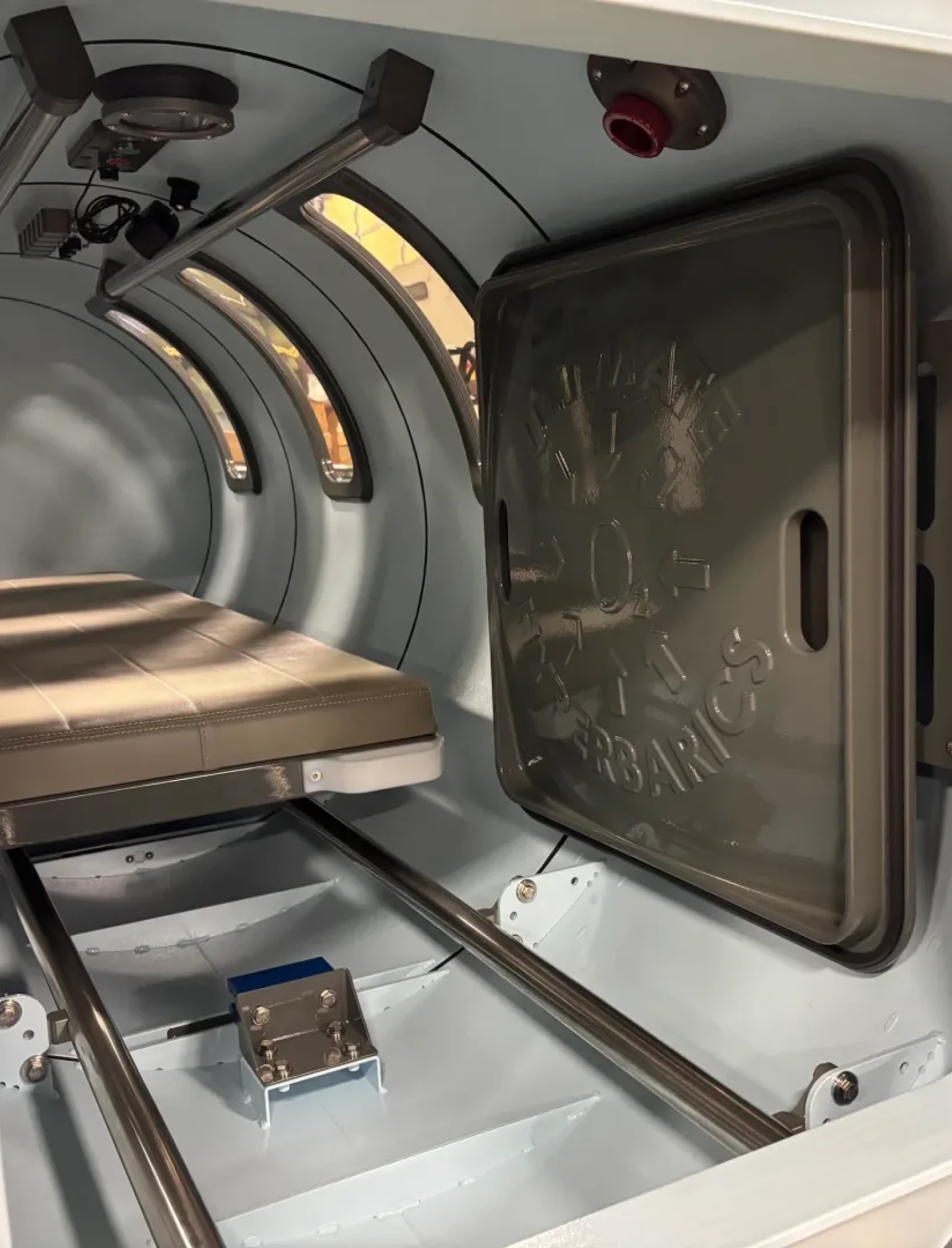
Understanding Oxygen Deprivation & Inflammation
Oxygen delivery can be affected by reduced blood flow, chronic inflammation, swelling, fluid buildup, injury or tissue damage, disease or infection, and changes associated with aging.
When oxygen delivery is compromised, tissues may struggle to receive what they need to function, repair, and recover.
Hyperbaric oxygen therapy increases the amount of oxygen that can be carried in the blood by allowing more oxygen to dissolve directly into plasma.
Key Concept:
When oxygen delivery is limited, increasing dissolved oxygen availability provides another way for oxygen to reach tissues.
What Makes 2.0 ATA Different?
The Buyer's Guide positions 2.0 ATA as the key pressure level behind the American Hyperbaric system.
At this pressure, the guide explains that oxygen dissolved in plasma can increase substantially compared with normal atmospheric conditions.

2.0 ATA Is Designed For:

More Oxygen Availability
Greater amounts of oxygen can dissolve into plasma.

Deeper Oxygen Delivery
Dissolved oxygen can reach tissues through the vascular network.

Whole-Body Oxygen Support
The process is systemic rather than focused on one isolated area.

Consistent Pressure
The chamber is engineered and tested for operation at full 2.0 ATA pressure.
Hyperbaric Oxygen Is Part of a Bigger Picture
The Buyer's Guide emphasizes that hyperbaric oxygen therapy works best alongside the fundamentals of a healthy lifestyle.
Think of overall wellness as four complementary pillars:
Nutrition
Provide the body with the nutrients it needs to build, repair, and function.
Sleep
Rest and restorative sleep support recovery and daily performance.
Exercise
Physical activity supports circulation, strength, endurance, and metabolic health.
Hyperbaric Oxygen Therapy
HBOT increases oxygen availability and adds another tool to a broader wellness routine.
Nutrition + Sleep + Exercise + Hyperbaric Oxygen Therapy
These factors can work together as part of a comprehensive approach to health and wellness.
The Health Multiplier
The Buyer's Guide describes hyperbaric oxygen therapy as a complement to healthy lifestyle fundamentals rather than a replacement for them.
Better oxygen delivery works alongside nutrition, sleep, and exercise to support the body's existing systems.
Together, These Foundations Can Support:
- More energy
- Sharper mental function
- Better recovery
- Greater resilience
- Long-term wellness
Stronger Together. Better Together.
Real-World Experience Matters
The Buyer's Guide highlights Chestnut Wellness Center in Springfield, Missouri, as an example of a facility with more than a decade of hyperbaric experience and thousands of treatments.
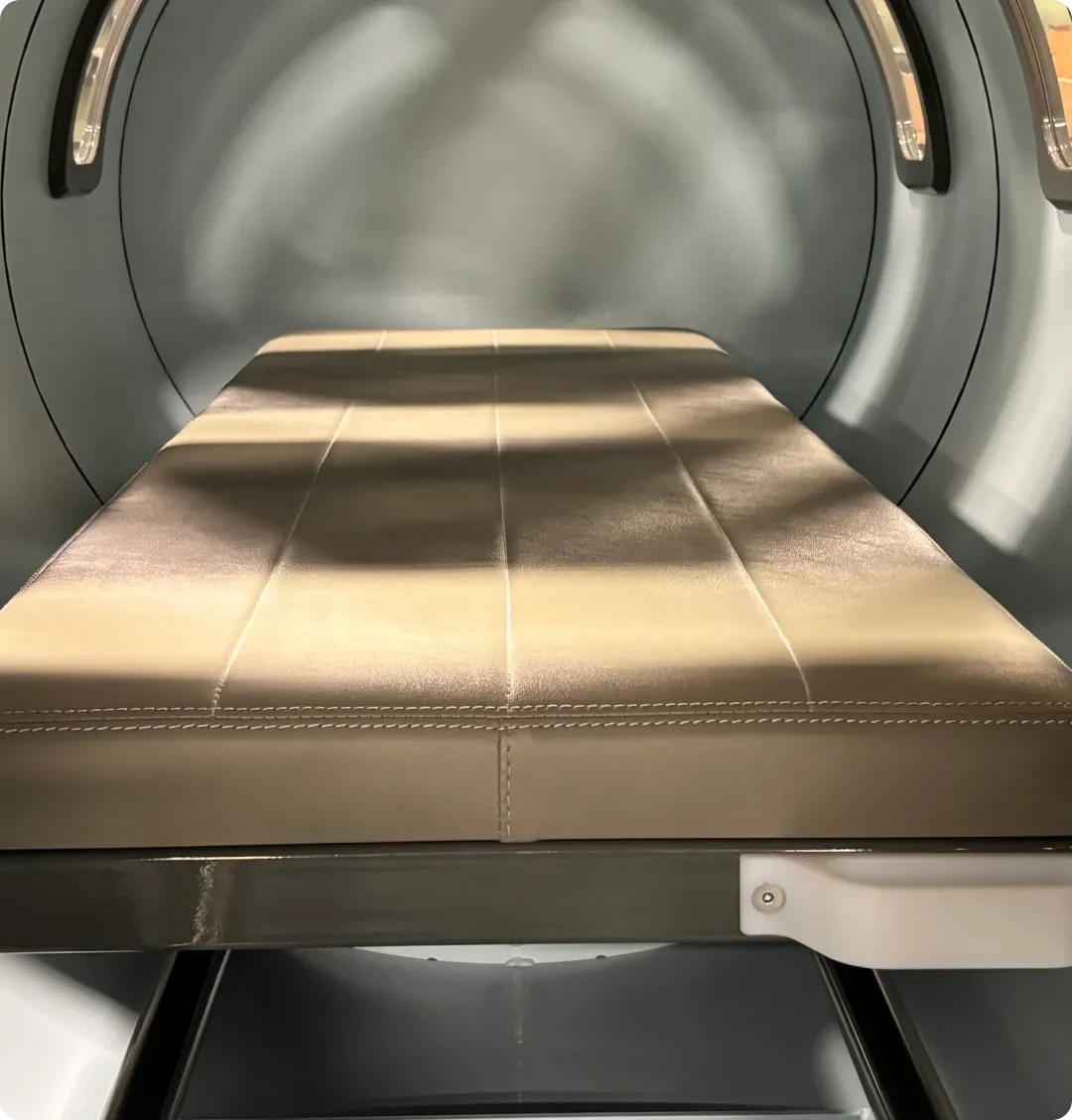
Its experience reinforces an important part of chamber design: comfort can influence consistency.
A chamber that provides adequate space, comfortable positioning, easy entry, and reliable performance can make it easier for people to maintain a recommended treatment routine.
Feature Callouts:
- 39.76" Interior Diameter
- Comfortable Sliding Bed
- 2.0 ATA Capability
- Analog Reliability
- Multiple Redundant Safety Systems
- Made in America
A Deeper Resource for Understanding HBOT
For readers who want to explore the history, science, and medical applications of hyperbaric oxygen therapy in greater depth, the Buyer's Guide recommends The Oxygen Revolution, Third Edition, by Paul G. Harch, M.D. and Virginia McCullough.
The guide identifies topics covered in the book including traumatic brain injuries, birth injuries and cerebral palsy, strokes, autism, neurological diseases, diabetes and cardiac disease, joint replacement, arthritis, asthma, HBOT treatment and costs, and the science of oxygen.

The American Hyperbaric Difference
The science starts with a simple relationship:
Pressure + Oxygen = Greater Oxygen Availability
American Hyperbaric chambers are engineered around 2.0 ATA pressure capability and paired with supplemental oxygen to create the hyperbaric environment described throughout this guide.
The result is a system designed to increase dissolved oxygen availability and support whole-body oxygen delivery.